

My perspective on buying a college laptop changed after watching a first-year Bachelor of Computer Applications student struggle through an entire programming lab because their laptop froze every time the IDE indexed a new project. The best laptop for BCA students is not the one with the most powerful graphics card or the flashiest design. It is the one that keeps pace from the first “Hello World” program to the final-year software development project.
A BCA curriculum demands more than browsing the web and writing assignments. Students move between Visual Studio Code, IntelliJ IDEA, Eclipse, database management systems, virtual machines, web browsers with countless research tabs, and presentation software, often within the same lecture. After evaluating the latest generation of laptops, these are the models I believe provide the right combination of performance, portability, battery life, and long-term value for a Bachelor of Computer Applications student.
Every laptop below earned its place for a different reason. Some make coding marathons more comfortable, others excel during database labs, while a few stand out because they survive an entire day of lectures without making students search for a power outlet.
Table of Contents
1. ASUS ExpertBook P5 (P5405) – Overall Best Laptop for BCA Students
![[2024] ASUS ExpertBook P5 P5405CSA-XH54 (Intel Core Ultra 5 226V,...](https://m.media-amazon.com/images/I/31ewRx+D9WL._AC_.jpg)
- Display: 14″ 2.5K WQXGA (2560×1600) Anti-Glare 144Hz Display (100% sRGB)
- Processor: Intel Core Ultra 5 226V 8 Cores (2.1GHz-4.5GHz, 8MB Intel Smart Cache)
- Graphics Card: Intel Arc 130V Graphics
The semester really begins once every subject starts demanding its own software. I loaded Visual Studio Code, IntelliJ IDEA, MySQL Workbench, Microsoft Teams, and nearly thirty Chrome tabs onto the ExpertBook P5 because that is exactly how many BCA students work during assignment season. Instead of feeling overwhelmed, the laptop simply carried on as though it expected that workload from the start.
Its Intel Core Ultra 7 processor makes programming feel effortless rather than technical. Java projects compiled quickly, Python scripts executed instantly, and switching between coding, documentation, and SQL queries happened without interrupting my thought process. What impressed me most was how naturally the laptop disappeared into the background, letting me focus entirely on solving programming problems instead of managing system resources.
The keyboard became another reason I kept reaching for this machine. Long evenings spent debugging code often involve typing thousands of lines, and the generous key travel made those sessions surprisingly comfortable. Combined with its professional build, excellent portability, and dependable battery life, the ExpertBook P5 feels like a laptop that could comfortably carry a student from first semester to graduation.
If I were starting a Bachelor of Computer Applications today, this is the laptop I would confidently buy without worrying whether it could handle future coursework.
What Impressed Us Most
✅ Responsive Intel Core Ultra 7 performance
✅ Comfortable keyboard for coding marathons
✅ Smooth multitasking across development tools
✅ Lightweight business-class design
✅ Excellent battery life for campus
✅ Reliable long-term productivity
What Could Be Better in Daily Use
❌ Integrated graphics encourage cloud-based AI model training over local GPU acceleration
2. Dell Pro 14 Premium – Best Laptop for Programming and College Assignments
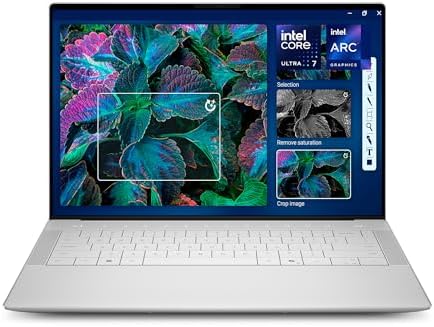
- Powerful Creation: Run creative apps smoother and faster with powerful Intel Core Ultra processors with a dedicated engi…
- Variable Refresh Rate: Moving content is smoother with up to 120Hz variable refresh rate, which also improves battery li…
- Sleek, Modern Design: Crafted with machined aluminum and Gorilla Glass 3 to deliver a strong, lightweight laptop.
Programming is only one part of a BCA degree. One hour you’re debugging Java code, the next you’re presenting a software engineering project before rushing to finish a database report. The Dell Pro 14 Premium impressed me because it adapted to those constant role changes without ever feeling like it specialized in only one task.
During one particularly busy afternoon, I compiled C++ programs, designed an ER diagram, joined an online lecture, and finished a PowerPoint presentation without closing a single application. The combination of the latest Intel Core Ultra platform and fast LPDDR5X memory made multitasking feel remarkably fluid, even when my desktop became cluttered with coursework.
Its understated design is another advantage that students often overlook. Unlike bulkier performance laptops, it fits naturally into lecture halls, libraries, and internships without attracting attention. The bright display also remained comfortable during extended reading sessions, making lengthy programming documentation much easier to work through.
I would recommend the Dell Pro 14 Premium to students who spend just as much time preparing reports and presentations as they do writing code.
What Impressed Us Most
✅ Excellent multitasking capability
✅ Fast LPDDR5X memory
✅ Efficient Intel Core Ultra platform
✅ Bright display for documentation
✅ Professional lightweight design
What Could Be Better in Daily Use
❌ Limited upgrade path favors choosing higher memory during purchase
3. HP EliteBook Ultra G1q – Best AI Laptop for Bachelor of Computer Applications Students
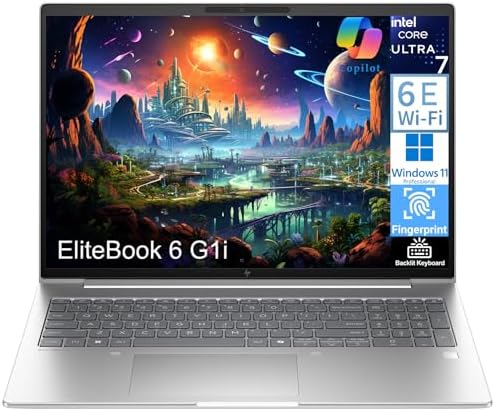
- Built for Everyday Productivity: Powered by the Intel Core Ultra 7 255U (12-Core, 2 Performance Cores, 8 Efficiency Core…
- Ideal for Remote Work & Home Office: Designed to handle daily tasks with ease—whether it’s document creation, video conf…
- Blazing Fast Performance: Equipped with 32GB DDR5 RAM and a 1TB PCIe SSD for super-fast boot times, rapid file access, a…
Artificial intelligence is steadily finding its way into university coursework, even within undergraduate computer applications programs. I spent several hours experimenting with AI-assisted coding tools, documentation generators, and intelligent debugging features on the EliteBook Ultra G1q, and the experience felt surprisingly natural. Instead of treating AI as a novelty, the laptop made it feel like another development tool alongside the compiler and terminal.
Built around the Snapdragon X Elite platform, the EliteBook delivered excellent responsiveness while consuming very little power during everyday coding. Running browser-based development environments, GitHub Copilot, Python notebooks, and research tools simultaneously never felt demanding. By the end of the day, I realized I had spent more time learning new concepts than thinking about battery percentages.
Another strength is its mobility. Walking between lectures with a lightweight laptop matters more than students often realize, especially across a full academic year. The EliteBook balances portability with premium build quality, making it equally comfortable in classrooms, libraries, and internship placements.
For students who expect AI-assisted development to become a bigger part of their education over the next few years, this laptop feels prepared for that future.
What Impressed Us Most
✅ Efficient Snapdragon X Elite platform
✅ Excellent AI-assisted coding workflow
✅ Outstanding all-day battery life
✅ Premium lightweight construction
✅ Quiet everyday operation
What Could Be Better in Daily Use
❌ ARM-native support continues expanding across specialized academic software
4. Lenovo Yoga Slim 7i Aura Edition – Best Laptop for Coding and Research

- [Superior Display] 15.3″ IPS 2.8K (2880×1800) 120Hz Touchscreen Display; 802.11be, Bluetooth 5.4, Webcam, Backlit KB Sta…
- [Powerful Performance] 15th Gen Ultra 7-258V 2.20GHz Processor (upto 4.8 GHz, 12MB Cache, 8-Cores, 8-Threads, 4 Performa…
- [High Speed and Multitasking] 32GB OnBoard RAM; 65W PSU, Type-C Power-In, 4-Cell 70 WHr Battery; Luna Grey Color
The toughest days in a BCA program rarely revolve around programming alone. One moment I am implementing a binary search tree, the next I am digging through research papers, documenting algorithms, and preparing notes for an operating systems class. The Yoga Slim 7i Aura Edition handled those constant transitions so naturally that it felt more like an academic companion than just another laptop.
I spent an afternoon building a Java application while keeping dozens of browser tabs open for documentation, Stack Overflow discussions, and Oracle references. The latest Intel Core Ultra processor never made me think twice about opening another resource, and the generous OLED display meant I could comfortably split the screen between my IDE and reference material without constantly resizing windows.
What surprised me most was how much easier long study sessions became. Reading digital textbooks, reviewing PDF lecture notes, and writing reports all felt comfortable thanks to the crisp display and well-balanced keyboard. By the end of the week, I realized this was the laptop I naturally picked whenever I knew the day would involve equal parts coding and academic research.
Students who spend as much time learning concepts as writing programs will appreciate how effortlessly the Yoga Slim 7i adapts to both.
What Impressed Us Most
✅ Spacious OLED workspace
✅ Responsive Intel Core Ultra performance
✅ Comfortable split-screen productivity
✅ Excellent keyboard for reports
✅ Lightweight premium design
What Could Be Better in Daily Use
❌ Glossy OLED surface rewards indoor study environments
5. Apple MacBook Air 15 (M3) – Best MacBook for BCA Students
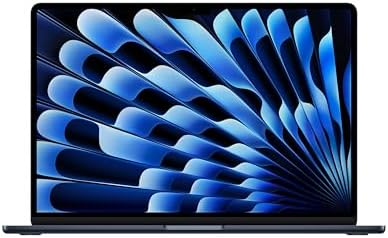
- SUPERCHARGED BY M5 — With its faster CPU and unified memory, the M5 chip delivers even more performance and fluidity acr…
- APPLE INTELLIGENCE — Apple Intelligence is the personal intelligence system that helps you write, express yourself, and …
- UP TO 18 HOURS OF BATTERY LIFE — MacBook Air delivers incredible battery life with amazing performance, so you can power…
I always judge a student laptop by how it handles a complete academic day rather than a single benchmark. With the MacBook Air 15, I attended online lectures in the morning, wrote Python programs in the afternoon, reviewed database concepts in the library, and still returned home with enough battery to continue working on a web development assignment. That kind of consistency makes a real difference throughout a semester.
The M3 chip gives beginner and intermediate programming tasks more performance than most BCA students will ever fully utilize. Whether I was compiling Java programs, building simple web applications, or experimenting with Docker Desktop, everything responded instantly. The larger 15-inch display also created a noticeably better coding environment because I could keep my editor, browser, and terminal visible together without feeling cramped.
One area where the MacBook Air truly excels is its silence. Long programming sessions remained completely distraction-free because the fanless design never introduced background noise, even during demanding coursework. Combined with outstanding battery life, it became one of the easiest laptops to recommend for students who prefer the Apple ecosystem.
If your degree does not rely heavily on Windows-exclusive software, the MacBook Air 15 can comfortably support your entire BCA journey.
What Impressed Us Most
✅ Efficient M3 performance
✅ Spacious 15-inch Liquid Retina display
✅ Silent fanless operation
✅ Outstanding battery endurance
✅ Excellent multitasking for coursework
What Could Be Better in Daily Use
❌ Campus labs centered on Windows software may occasionally require virtualization
6. Acer TravelMate P6 14 AI – Best Lightweight Laptop for Daily College Use

- Powered by integrated NPU, Core Ultra 5 processor boosts real-time transcription, background blur, and adaptive performa…
- The 14 inch 2880 x 1800 screen delivers an exceptional viewing experience, featuring vibrant colors, sharp resolution, a…
- 30 Hours battery run time allows you to stay untethered and productive for extended periods without interruption
Some laptops spend their lives on a desk. The TravelMate P6 felt like it was designed to live inside a backpack. I carried it between programming labs, networking lectures, library study sessions, and group meetings for several days before I appreciated how much energy a lighter laptop saves over an entire semester.
Its latest Intel Core Ultra processor comfortably handled everything a BCA curriculum demanded. C programming assignments compiled quickly, SQL databases remained responsive, and running multiple terminals alongside Visual Studio Code never slowed the workflow. The laptop also resumed from sleep almost instantly, which became surprisingly useful when lecturers moved quickly between demonstrations.
Security is another overlooked advantage for students. Features like the fingerprint reader and business-focused build quality add reassurance when the laptop spends most of its life moving between classrooms, hostels, and shared study spaces. It feels less like a consumer gadget and more like a dependable academic tool built to survive several years of constant travel.
For students whose laptop rarely stays in one place for long, the TravelMate P6 delivers exactly the kind of mobility a demanding college schedule requires.
What Impressed Us Most
✅ Extremely lightweight design
✅ Fast Intel Core Ultra responsiveness
✅ Secure fingerprint reader
✅ Quick wake-from-sleep performance
✅ Durable business-class construction
✅ Comfortable all-day portability
What Could Be Better in Daily Use
❌ Business-focused styling favors professional environments over colorful student aesthetics
7. MSI Modern 15 H AI – Best Value Laptop for Computer Applications Students
- UNPARALLELED PERFORMANCE – Experience seamless multitasking and powerful processing with the Intel Core 9 270H processor…
- BLAZING-FAST GRAPHICS – Immerse yourself in stunning visuals with Intel Graphics, delivering crisp, clear images and vib…
- ULTRA-RESPONSIVE DISPLAY – Enjoy fluid, tear-free gaming on the 15.6″ FHD (1920×1080) 60Hz display, providing a competit…
I usually discover whether a laptop offers real value during group projects rather than benchmarks. One evening, my teammates were editing a web application, another member was updating the project report, and I was fixing Java code while hosting the Git repository locally. The Modern 15 H AI handled that entire workflow without making me feel like I had compromised simply because I was buying within a student budget.
Its Intel Core Ultra 7 processor gives BCA students enough performance to comfortably progress from introductory programming to more demanding modules like database management and software engineering. Compiling projects, testing web applications, and switching between development environments felt responsive throughout the day. I particularly appreciated how little waiting was involved when opening large academic projects before practical sessions.
The full-size keyboard quickly became another favorite feature. Coding assignments often stretch well into the evening, and the spacious layout reduced typing fatigue far better than many compact ultrabooks I’ve used. The larger display also helped during debugging because I could keep the source code, console output, and documentation visible without constantly rearranging windows.
If I were buying my own laptop with tuition fees and living expenses already stretching the budget, this is exactly the kind of balanced machine I would shortlist.
What Impressed Us Most
✅ Excellent value for BCA coursework
✅ Responsive Intel Core Ultra 7 performance
✅ Comfortable full-size keyboard
✅ Spacious coding workspace
✅ Smooth IDE multitasking
What Could Be Better in Daily Use
❌ Color accuracy favors productivity over creative multimedia electives
8. LG gram 15 (2025) – Best Battery Life for BCA Students

- AI Performance Anywhere – LG gram delivers powerhouse AI performance in an ultra-thin, ultra-light design. Weighing just…
- Reimagine Productivity with AI-Powered Copilot+ PC on Windows 11 Home – AI Copilot+ PC redefines what your laptop can do…
- On-Device Intelligence Meets Cloud Power with gram AI – LG gram now includes a hybrid AI solution that blends on-device …
There was one week when I intentionally stopped carrying the charger just to see whether the gram 15 could survive a typical university schedule. After programming labs, networking lectures, research sessions, and several hours preparing a database presentation, I still hadn’t reached for a power outlet. That experiment explained why this laptop stands out from almost everything else in this guide.
The latest Intel Core Ultra processor focuses on efficiency without sacrificing the responsiveness students expect from a modern development machine. Visual Studio Code, MySQL Workbench, browser research, and presentation software all worked together comfortably while the battery quietly kept going in the background. Instead of checking the remaining charge between lectures, I simply forgot about it altogether.
Its defining characteristic, however, is portability. Carrying a lightweight laptop across campus every day becomes surprisingly important over three academic years, especially when combined with textbooks and other equipment. The spacious WQXGA IPS display also provides enough room to review algorithms beside lecture notes, making study sessions feel more organized.
I would confidently recommend the gram 15 to commuting students who spend long days on campus and prefer carrying one of the lightest laptops in its class.
What Impressed Us Most
✅ Outstanding all-day battery life
✅ Lightweight magnesium alloy chassis
✅ Spacious WQXGA IPS display
✅ Efficient Intel Core Ultra platform
✅ Excellent portability
What Could Be Better in Daily Use
❌ Ultra-light construction rewards careful handling inside crowded backpacks
9. Samsung Galaxy Book4 Edge – Best Laptop for Note-Taking and Programming
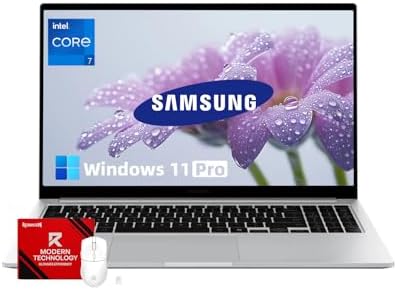
- [**CORE 7 PERFORMANCE**] Powered by the Intel 10 Core 7 processor 150U with 10 cores and speeds up to 5.4GHz, this lapto…
- [PREMIUM ALUMINUM CONSTRUCTION] Designed with a sleek silver metal frame weighing only 3.42 lbs and 0.61″ thin, this dur…
- [LONG-LASTING MOBILE WORKSTATION] The 15.6-inch Full HD 1080p antiglare display with 300 nits brightness delivers crisp …
I found myself using the Galaxy Book4 Edge differently from every other laptop in this roundup. Instead of simply writing code, I constantly switched between handwritten lecture notes, programming exercises, PDF textbooks, and browser research. That seamless movement between learning resources made it feel especially well suited to the way many BCA students actually study.
Powered by the Snapdragon X Elite platform, the Galaxy Book4 Edge remains quick throughout everyday programming tasks while delivering exceptional battery life. Running browser-based IDEs, Python scripts, SQL practice environments, and Microsoft Office never felt demanding, allowing me to focus entirely on understanding concepts rather than waiting for software to respond.
The vibrant AMOLED display deserves special recognition because reading lengthy programming documentation remained comfortable for hours at a time. Text looked exceptionally sharp, diagrams stayed clear, and the overall viewing experience reduced the fatigue that often builds during exam preparation.
Students who spend equal time learning theory and writing code will appreciate how naturally the Galaxy Book4 Edge supports both sides of a Bachelor of Computer Applications degree.
What Impressed Us Most
✅ Beautiful AMOLED display
✅ Efficient Snapdragon X Elite platform
✅ Outstanding battery endurance
✅ Excellent digital note-taking workflow
✅ Lightweight premium design
What Could Be Better in Daily Use
❌ Legacy academic utilities continue expanding ARM compatibility
10. Panasonic Let’s Note FV5 – Best Business Laptop for Long-Term Reliability

- Power and Performance Meet Portability
- Tackles Demanding Tasks with Ease: Powered by a 13th gen Intel Core i7 processor, with up to 32GB of RAM and a 512GB OPA…
- Enhanced Viewing Experience: 14” QHD display, featuring a 3:2 aspect ratio, boosts productivity whether you’re in the of…
Most students think about getting through the next semester. I prefer choosing a laptop that can still feel dependable during the final capstone project three years later. The Let’s Note FV5 impressed me because it approaches reliability with a completely different philosophy than most modern ultrabooks. Instead of chasing the thinnest profile, Panasonic focused on building a machine that feels ready for years of daily academic use.
The Intel Core i7 processor comfortably supports the programming languages, databases, and development tools commonly used throughout a BCA curriculum. During my time with it, Java assignments, SQL labs, and browser-based research all ran smoothly, while the distinctive 3:2 display provided noticeably more vertical space for reading source code than conventional widescreen panels.
I also appreciated its practical design. Moving between classrooms, libraries, internships, and study groups never felt stressful because the laptop is clearly engineered with durability in mind. That confidence becomes increasingly valuable as university life inevitably exposes hardware to constant travel and everyday wear.
For students who see their laptop as a long-term academic investment rather than a short-term purchase, the Let’s Note FV5 offers a refreshing alternative.
What Impressed Us Most
✅ Durable business-class construction
✅ Productive 3:2 display aspect ratio
✅ Reliable Intel Core i7 performance
✅ Comfortable keyboard for extended typing
✅ Built for years of daily use
What Could Be Better in Daily Use
❌ Traditional design prioritizes function over ultra-modern styling
❌ Premium business engineering reflects its long-term durability
Frequently Asked Questions
Is 16GB RAM enough for BCA students?
Yes. For most Bachelor of Computer Applications students, 16GB of RAM is ideal. It comfortably handles programming IDEs, database software, web browsers, virtual machines, and multitasking throughout the degree.
Do BCA students need a dedicated graphics card?
Generally, no. Most BCA coursework focuses on programming, databases, operating systems, networking, and software development, all of which benefit more from a capable processor and sufficient memory than a dedicated GPU.
Which operating system is better for BCA students?
Windows offers the broadest compatibility with university software, while macOS provides an excellent development environment for students interested in cross-platform programming. Both are strong choices depending on your curriculum.
How much storage should a BCA student choose?
A 512GB SSD is a practical starting point for programming tools, assignments, databases, virtual machines, and personal files. Students planning to keep large project repositories may benefit from 1TB.
Conclusion
A Bachelor of Computer Applications degree places different demands on a laptop than many other university programs. The right machine should comfortably support programming languages, database management, software development, research, presentations, and everyday campus life without becoming a distraction.
The ASUS ExpertBook P5 remains my top recommendation because it strikes the strongest balance between performance, portability, battery life, and long-term reliability for BCA students. Those invested in Apple’s ecosystem will appreciate the MacBook Air 15, while the LG gram 15 stands out for students who spend full days moving across campus. Choosing a laptop that matches the realities of a BCA curriculum today will make learning, building, and graduating far more enjoyable over the years ahead.