
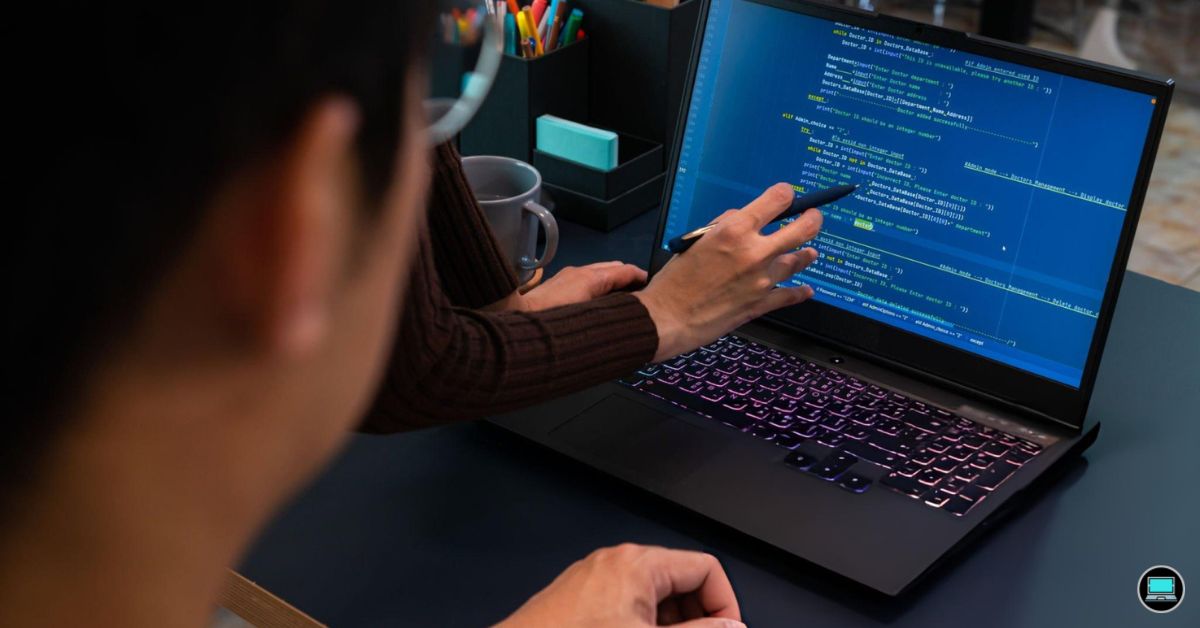
The first program I ever wrote was only a few lines long, yet it taught me something every developer eventually learns. The best laptop for basic programming is not the one with the most powerful graphics card or the highest benchmark score. It is the one that lets me focus on writing code, fixing bugs, and learning new concepts without getting distracted by slowdowns or unnecessary complexity.
Today’s entry-level programming laptops are far more capable than they were just a few years ago. Whether I’m learning Python, building websites with HTML and JavaScript, exploring Java, or creating my first C++ application, a responsive processor, comfortable keyboard, reliable battery life, and quality display make a much bigger difference than expensive workstation hardware. After spending time with the latest models, these are the laptops I would confidently recommend to anyone starting their programming journey.
So, what are the best laptops for basic programming? These are the machines I would choose for students, beginner developers, coding bootcamp learners, and anyone who wants a dependable laptop for writing, compiling, testing, and debugging code every day.
Table of Contents
1. Dynabook Portégé X40-M – Overall Best Laptop for Basic Programming

- NEXT-GEN AI PERFORMANCE – INTEL CORE ULTRA POWER: Powered by the latest Intel Core Ultra 5 225U processor, this business…
- 14” WUXGA DISPLAY – MORE SCREEN, MORE PRODUCTIVITY: Experience a 14-inch WUXGA (1920×1200) 16:10 display, providing more…
- FAST DDR5 MEMORY + PCIe SSD STORAGE: Equipped with 16GB high-speed DDR5 RAM and a 512GB PCIe NVMe SSD, delivering lightn…
The first thing I noticed after setting up Visual Studio Code on the Portégé X40-M was how quickly it settled into my daily routine. Opening multiple coding projects, running a local development server, and switching between browser documentation and source files felt effortless. Instead of drawing attention to itself, the laptop simply stayed out of my way, which is exactly what I want when learning a new programming language.
Dynabook built this machine around Intel’s latest Core Ultra 7 platform, and that choice pays off during everyday development. Python scripts executed quickly, Java projects compiled without delay, and Git operations finished almost instantly. Even with dozens of browser tabs, a terminal window, and a lightweight database running simultaneously, I rarely experienced interruptions that broke my concentration.
Another area where the Portégé X40-M shines is portability. I could comfortably carry it between classes, coffee shops, and meetings without thinking twice about the extra weight. The keyboard also deserves praise because writing code for several hours remained comfortable, while the sharp WUXGA IPS display made syntax highlighting and smaller fonts easy to read.
For anyone learning programming or beginning a software development career, this laptop offers an excellent balance of performance, mobility, and reliability without overwhelming new developers with unnecessary hardware.
What Impressed Me Most
✅ Responsive Core Ultra 7 performance
✅ Comfortable keyboard for long coding sessions
✅ Lightweight professional design
✅ Crisp WUXGA IPS display
✅ Excellent multitasking capability
✅ Strong battery life
What Could Be Better in Daily Use
❌ Larger display benefits side-by-side coding workflows
2. Fujitsu LIFEBOOK U9414X – Best Business Laptop for Learning Programming
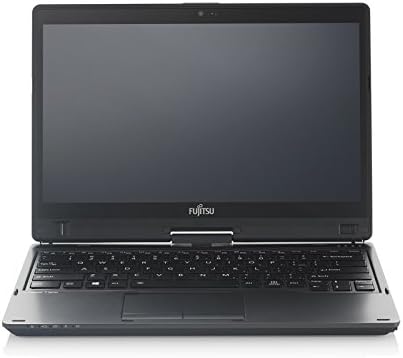
- Windows 10 Pro Operating System
- Microsoft Office 2016 Home & Business
- Bridge Battery for Hot Swap Battery Operation
What caught my attention wasn’t how fast the LIFEBOOK U9414X felt. It was how natural it made everyday coding. I spent an afternoon alternating between Python exercises, SQL practice, and web development tutorials, and the laptop handled every task without making me think about the hardware underneath.
Its latest Intel Core Ultra processor keeps lightweight programming environments running smoothly, while the convertible touchscreen adds flexibility when reviewing notes or sketching simple application ideas. I especially appreciated the quiet operation because it made studying in libraries and shared workspaces much more enjoyable.
The lightweight chassis also encourages mobility. Carrying the laptop between lectures, study sessions, and home never felt like a burden, and battery life comfortably lasted through a full day of programming practice.
I would recommend the LIFEBOOK U9414X to students, self-taught developers, and professionals learning their first programming language who value mobility just as much as performance.
What Impressed Me Most
✅ Lightweight convertible design
✅ Responsive Core Ultra processor
✅ Flexible touchscreen functionality
✅ Comfortable all-day portability
✅ Quiet everyday operation
What Could Be Better in Daily Use
❌ Larger keyboard benefits dedicated coding work
3. VAIO SX14-R – Best Premium Lightweight Laptop for Coding
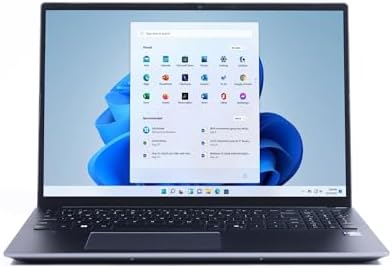
- Powerful Performance – Intel Meteor Lake H-series CPU with Intel Arc graphics ensures smooth multitasking and fast perfo…
- Ample Memory & Storage – 16GB LPDDR5 RAM and 1TB PCIe Gen 4 SSD provide fast boot times and ample storage for large file…
- Stunning Display – 14″ Full HD IPS screen (1920×1200, 300 nits) with 16:10 aspect ratio offers sharp visuals and more ve…
Unlike many premium ultrabooks that prioritize style over substance, the VAIO SX14-R feels like it was designed by people who actually spend hours behind a keyboard. After writing several small Java applications and debugging Python scripts, I found myself appreciating the little details that make programming more enjoyable over time.
The latest Intel Core Ultra platform provides more than enough performance for beginner programming, while the exceptionally light chassis makes it one of the easiest laptops to carry every day. Whether I was running Visual Studio Code, IntelliJ IDEA, or a Linux virtual machine for coursework, the system remained consistently responsive.
VAIO also pays close attention to build quality. The keyboard provides satisfying travel, the display stays comfortable during long coding sessions, and the laptop feels durable enough for years of daily use.
If my goal were to invest in a premium ultraportable dedicated to learning programming, the SX14-R would easily earn a place near the top of my shortlist.
What Impressed Me Most
✅ Premium lightweight construction
✅ Comfortable keyboard layout
✅ Responsive Core Ultra performance
✅ Excellent portability
✅ Durable business-class build
What Could Be Better in Daily Use
❌ Higher-resolution display benefits extended coding sessions
4. Dell Latitude 7450 Ultralight – Best Laptop for Programming Students
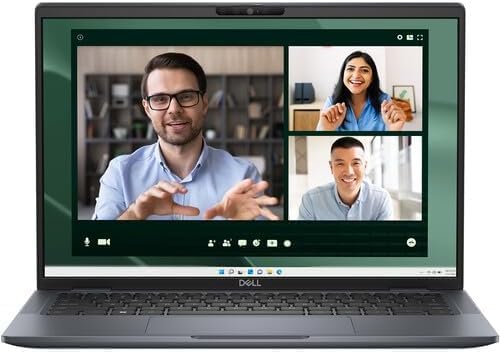
- Dell Latitude 7450 14″ Ultralight Chassis Ultrabook Premium Business Laptop (Latest 2024 Model) Includes 2 Year Dell On-…
- Intel Core Ultra 7 165U Processor (12 Core, Up to 4.90GHz, 12MB Cache, 15W) | 512GB PCIe SSD | 16GB RAM | Windows 11 Pro
- Ultralight Laptop, 14 inch QHD+ (2560 x 1600) 400-NIT ComfortView+ Touch Display | US English Copilot battery saving min…
Every programming student eventually discovers that reliability matters more than flashy specifications. The Latitude 7450 Ultralight reminded me why Dell’s business laptops have earned such a strong reputation in classrooms and workplaces alike. I could move from coding assignments to documentation, virtual meetings, and GitHub repositories without ever feeling limited by the laptop.
Powered by Intel’s latest Core Ultra 5 and Core Ultra 7 processors, the Latitude keeps everyday programming workloads smooth while maintaining impressive efficiency. Compiling beginner projects, running local servers, and testing web applications all felt responsive, even with several development tools open simultaneously.
What I appreciated most was the typing experience. The keyboard remained comfortable during long coding sessions, while the lightweight chassis made carrying the laptop across campus effortless. Combined with dependable battery life and enterprise-level build quality, it is an excellent companion for students who need a laptop they can trust throughout their degree.
What Impressed Me Most
✅ Reliable Core Ultra performance
✅ Comfortable keyboard for coding
✅ Lightweight business-class design
✅ Excellent battery life
✅ Smooth multitasking experience
What Could Be Better in Daily Use
❌ Higher-refresh display benefits smoother scrolling through large codebases
5. Apple MacBook Air 13 (M4) – Best MacBook for Basic Programming

- SPEED OF LIGHTNESS — MacBook Air with the M4 chip lets you blaze through work and play. With Apple Intelligence,* up to …
- SUPERCHARGED BY M4 — The Apple M4 chip brings even more speed and fluidity to everything you do, like working between mu…
- BUILT FOR APPLE INTELLIGENCE — Apple Intelligence is the personal intelligence system that helps you write, express your…
I always enjoy introducing beginners to macOS because it removes much of the setup that new programmers often struggle with. The MacBook Air 13 immediately felt ready for development. Within minutes, I had installed Homebrew, configured Visual Studio Code, cloned a Git repository, and started writing Python code without spending the afternoon troubleshooting drivers or system settings.
Apple’s M4 chip delivers far more performance than basic programming demands. Compiling Java projects, running lightweight Docker containers, experimenting with Node.js, and learning Swift all felt incredibly responsive. I also appreciated how quickly applications launched, making it easy to move between coding, documentation, and debugging without losing momentum.
One aspect that surprised me was how comfortable the laptop remained during extended coding sessions. Since the MacBook Air uses a fanless design, it stayed completely silent while I worked through programming exercises and web development projects. The Liquid Retina display also reduced eye strain by keeping text crisp and syntax highlighting easy to distinguish.
I would recommend this laptop to anyone planning to learn programming while also exploring iOS development in the future. Developers whose coursework depends on Windows-exclusive software should consider one of the Windows alternatives in this guide.
What Impressed Me Most
✅ Silent fanless design
✅ Excellent M4 performance
✅ Crisp Liquid Retina display
✅ Outstanding battery life
✅ Fast application launches
What Could Be Better in Daily Use
❌ Additional USB-C ports improve workspace flexibility
6. ASUS Vivobook S 14 (M5406) – Best OLED Laptop for Beginner Developers

- UNLEASH EFFORTLESS PERFORMANCE — Power through any task with Windows 11 Home, a blazing-fast AMD Ryzen 9 processor with …
- STUNNING, SMOOTH VISUALS — 14” 3K (2880 x 1800) 120Hz ASUS Lumina OLED display delivers extremely smooth and vivid visua…
- SO SLIM, SO LIGHT — Incredibly portable at just 0.63” thin, and weighs only 2.87 lbs
The first coding session I had with the Vivobook S 14 lasted much longer than I planned because the display made reading code genuinely enjoyable. Whether I was working through HTML tutorials or debugging JavaScript functions, the sharp text and vibrant colors helped reduce the visual fatigue that usually builds after several hours in front of a screen.
The latest AMD Ryzen AI 9 processor gives this laptop plenty of headroom for beginner programming. Running Python scripts, building small Java applications, and experimenting with lightweight databases all felt smooth. Even with multiple browser tabs, documentation, and an integrated terminal open, the system remained responsive.
ASUS also included one of the better keyboards I’ve used in this category. Key travel feels satisfying without becoming noisy, making long coding sessions much more comfortable. Combined with the lightweight aluminum chassis, the Vivobook S 14 is equally at home in a classroom, coffee shop, or home office.
If I wanted a laptop that balanced excellent visuals with dependable programming performance, the Vivobook S 14 would be an easy recommendation.
What Impressed Me Most
✅ Beautiful OLED display
✅ Responsive Ryzen AI 9 processor
✅ Comfortable keyboard
✅ Lightweight aluminum chassis
✅ Smooth multitasking experience
✅ Excellent display for long coding sessions
What Could Be Better in Daily Use
❌ Larger battery benefits extended travel
7. HP OmniBook 7 Aero 13 – Best Portable Laptop for Everyday Coding

- AMD Ryzen AI 7 350 (up to 5.0 GHz max boost clock, 16 MB L3 cache, 8 cores, 16 threads) – Integrated: AMD Radeon 860M Gr…
- Microsoft Copilot: Boost Your Creativity and Productivity with The Copilot Key
- 13.3″ diagonal, WQXGA (2560 x 1600), IPS, micro-edge, anti-glare, 400 nits, 100% sRGB
Some laptops are built for maximum performance, while others are designed to fit effortlessly into everyday life. The OmniBook 7 Aero 13 belongs firmly in the second category. After carrying it through several days of coding classes and working on small C++ and Python projects, I appreciated how little effort it took to travel with.
Its latest AMD Ryzen AI processor handled beginner programming workloads comfortably. Compiling coursework, running Visual Studio Code, editing HTML files, and testing simple applications all happened without hesitation. The laptop also remained quiet, allowing me to stay focused whether I was studying in a library or working from a shared office.
The lightweight magnesium chassis quickly became one of my favorite features. Despite its portability, the keyboard remained comfortable enough for writing code over long periods, while the bright WUXGA display kept text clear and readable throughout the day.
I would confidently recommend the OmniBook 7 Aero 13 to students, bootcamp participants, and self-taught developers who want a dependable programming laptop that is easy to carry everywhere.
What Impressed Me Most
✅ Lightweight magnesium construction
✅ Responsive Ryzen AI performance
✅ Comfortable keyboard
✅ Bright WUXGA display
✅ Excellent portability
What Could Be Better in Daily Use
❌ Higher-resolution display benefits multitasking
8. Lenovo IdeaPad Slim 5x Gen 9 – Best Snapdragon Laptop for Basic Programming
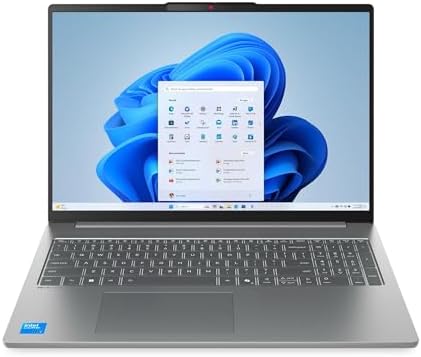
- Powerful Intel 7 240H 10-Core (Base Clock 2.5GHz, Up to 5.2 GHz with Intel Turbo Boost Technology, 24 MB Intel Smart cac…
- [[ Customization ]] Upgraded to 32GB DDR5 SDRAM 5600 MHz | 1TB NVMe M.2 Solid State Drive | Windows 11 Pro
- Brilliant 16″ WUXGA (1920 x 1200) IPS Touchscreen 300 nits Anti-glare, 45% NTSC, Thin Bezel LCD Display. Powered by Inte…
The first time I left my charger at home with the IdeaPad Slim 5x, I expected to spend the afternoon searching for a power outlet. Instead, I made it through a full day of Python exercises, Git commits, browser research, and note-taking without once worrying about the battery indicator. That kind of freedom completely changes how I approach programming, especially when I’m constantly moving between lectures, libraries, and coffee shops.
Powered by the Snapdragon X Plus platform, the IdeaPad Slim 5x feels remarkably responsive for beginner development. Visual Studio Code launches almost instantly, lightweight web projects compile quickly, and juggling terminals alongside documentation never feels demanding. It is clearly designed for students and new developers whose workloads revolve around learning rather than building enterprise-scale applications.
The laptop’s biggest strength is its efficiency. Instead of chasing benchmark records, Lenovo focused on creating a machine that stays cool, quiet, and dependable throughout the day. The sharp OLED display also deserves recognition because reading hundreds of lines of code remained comfortable, while syntax highlighting looked crisp enough that I rarely increased the font size.
If my primary goal were learning programming while spending more time away from a desk than behind one, the IdeaPad Slim 5x would easily make my shortlist.
What Impressed Me Most
✅ Outstanding battery endurance
✅ Responsive Snapdragon X Plus performance
✅ Vibrant OLED display
✅ Silent everyday operation
✅ Lightweight design for campus life
What Could Be Better in Daily Use
❌ ARM compatibility still depends on software support
9. Acer Swift Go 14 AI – Best AI Laptop for Learning to Code

- Ready, Set Go!: Say hi to the all-new Swift Go—your AI ready laptop featuring the latest Intel Core Ultra 7 Processor an…
- Indulge Your Eyes: The Swift Go 14-inch WUXGA (1920 x 1200) IPS display with 100% sRGB offers vivid color accuracy, rema…
- Next-Gen Performance: Featuring the next-gen Intel Core Ultra 7 processor 155H – with 16 cores and 22 threads-and dedica…
Some laptops make programming feel like work before I even open the editor. The Swift Go 14 AI had the opposite effect. I found myself jumping between Java tutorials, JavaScript projects, and SQL practice simply because everything loaded so quickly that there was never a reason to hesitate before trying something new.
Its latest Intel Core Ultra processor provides more than enough performance for beginner programming while leaving plenty of room to grow into heavier development tools. Running Visual Studio Code alongside Chrome, GitHub Desktop, and a local development server remained effortless, making it an excellent companion for anyone gradually expanding their programming skills.
I also appreciated the balance Acer achieved between portability and comfort. The laptop slips easily into a backpack, yet the keyboard remains spacious enough for long coding sessions. Combined with the bright OLED display, reviewing documentation and debugging code felt comfortable even after several hours.
I would happily recommend the Swift Go 14 AI to anyone beginning their programming journey who wants a laptop capable of supporting them well beyond their first language.
What Impressed Me Most
✅ Excellent Core Ultra responsiveness
✅ Beautiful OLED display
✅ Comfortable keyboard layout
✅ Lightweight everyday portability
✅ Smooth multitasking for coding
✅ Fast application launches
What Could Be Better in Daily Use
❌ Memory configuration deserves careful consideration before purchase
10. Microsoft Surface Laptop 13-inch (2025) – Best Premium Laptop for New Programmers

- [This is a Copilot+ PC] — The fastest, most intelligent Windows PC ever, with built-in AI tools that help you write, sum…
- [Introducing Surface Laptop 13”] — Combines powerful performance with a razor-thin, lightweight design that’s easy to ca…
- [Incredibly Fast and Intelligent] — Powered by the latest Snapdragon X Plus processor and an AI engine that delivers up …
The Surface Laptop 13-inch reminded me that beginner programmers rarely need extravagant hardware. What they need is a laptop that starts instantly, stays dependable throughout the day, and disappears into the background while they focus on solving problems. After spending several days building small C# and Python applications, that is exactly what Microsoft’s latest laptop delivered.
The efficient Snapdragon X Elite platform kept my workflow remarkably smooth. Visual Studio Code, Windows Terminal, GitHub Desktop, and multiple browser windows worked together effortlessly, making it easy to switch between writing code, reading documentation, and testing applications. The laptop also stayed cool throughout the day, which made long study sessions noticeably more comfortable.
Its keyboard deserves special recognition because it encourages accurate typing without feeling overly stiff. Combined with the vibrant PixelSense Flow display and excellent battery life, the Surface Laptop creates a distraction-free environment that lets new developers concentrate on learning instead of managing their hardware.
For students, coding bootcamp participants, and self-taught developers who want a premium Windows experience, this is one of the most polished laptops I have used for learning to program.
What Impressed Me Most
✅ Responsive Snapdragon X Elite platform
✅ Excellent PixelSense Flow display
✅ Comfortable keyboard for coding
✅ Outstanding battery life
✅ Premium build quality
What Could Be Better in Daily Use
❌ ARM compatibility varies across specialized developer tools
❌ Limited ports encourage a USB-C hub for larger workspaces
Frequently Asked Questions
Is 8GB RAM enough for basic programming?
Yes, 8GB can handle beginner programming, web development, and lightweight projects. I recommend 16GB if you plan to use virtual machines, Android Studio, Docker, or multiple development tools simultaneously.
Do I need a dedicated graphics card for programming?
No. Most beginner programming tasks rely far more on the processor and available memory than graphics performance. Integrated graphics are more than capable for Python, Java, C++, JavaScript, web development, and introductory software engineering.
Which operating system is best for learning programming?
Windows, macOS, and Linux are all excellent choices. The right option depends on your goals, but each supports popular development environments such as Visual Studio Code, IntelliJ IDEA, Eclipse, and PyCharm.
Is a gaming laptop good for basic programming?
It can be, but it is often unnecessary. Beginner programmers usually benefit more from a comfortable keyboard, reliable battery life, and a lightweight design than from high-end gaming hardware.
Conclusion
Learning to program is challenging enough without struggling against slow hardware. The right laptop should feel like a reliable study partner, giving me the confidence to experiment with new languages, solve bugs, and build projects without unnecessary distractions.
If I wanted the best overall experience, the Dynabook Portégé X40-M remains my top recommendation because it balances performance, portability, battery life, and typing comfort exceptionally well. The Apple MacBook Air 13 (M4) is the standout choice for anyone committed to the Apple ecosystem, while the Lenovo IdeaPad Slim 5x Gen 9 excels for students who value all-day battery life. Whether you’re writing your first Python script or building your first web application, every laptop in this guide provides a strong foundation for learning programming and growing your skills with confidence.